Loading Global NeuroHack 2026...

San Francisco, CA | Frontier Tower

The Future of Brain-Computer Interface Starts Here

Join 100+ innovators from 3+ countries for 48 hours of hacking, learning, and building the next generation of neurotechnology.

0 Hours of Hacking
0 Countries
00 Days
00 Hours
00 Minutes
00 Seconds
Scroll to explore

Pioneering the Neural Frontier

Global NeuroHack 2026 brings together the brightest minds in neuroscience, engineering, and design to create groundbreaking brain-computer interfaces.

What is NeuroHack?

NeuroHack is the world's largest neurotechnology hackathon, where participants collaborate to build innovative solutions using EEG devices, neural networks, and cutting-edge BCI technology.

Who Can Participate?

Students, researchers, developers, designers, and anyone passionate about neurotechnology. No prior neurotech experience required – just curiosity and creativity!

How It Works

Form teams of 4-5 people, build your project in 48 hours, and present to industry judges for a chance to win amazing prizes.

Why Join?

Network with industry leaders, learn from experts, access premium hardware and APIs, and potentially launch your neurotech startup!

Choose Your Path

Select from three tracks designed to foster innovation and collaboration in neurotechnology.

Blue-Sky Prototyping

An invitation for participants to prototype transformative ideas across the neurotech space.

Participants will:

  • Identify an unmet challenge in neurotech
  • Propose a novel platform solution
  • Draw inspiration from recent advances in neurotechnology and beyond
  • Identify synergistic potential between engineering & scientific domains
Open Innovation Track

Non-Implantable Speech Decoding

Decode thoughts into words by building a brain-computer interface that translates EEG or fNIRS signals into speech. Handle real-world constraints: noise, calibration, and generalization. A narrow, solid demo beats an ambitious claim - be honest about what your system does.

e184 Sponsored Track

Maximizing Bit Rate

Design the fastest BCI game by building a decoder from mock neural data and creating a game judges can master in seconds. Maximize both speed and accuracy. State-of-the-art implanted BCIs reach 8.6 bps; your challenge is to beat the EEG benchmark of 0.1-0.4 bps.

Science Corp Sponsored Track

48 Hours of Innovation

Three days packed with hacking, workshops, mentorship, and networking opportunities.

9:00 AM
Registration

Registration

Participants arrive and check in

Frontier Tower Lobby
10:00 AM
Opening

Opening Ceremony

Hackathon overview and intro speeches

Main Hall
11:30 AM
Distribution

Materials Distributed

Teams choose their track and receive necessary hardware

Equipment Station
12:00 PM
Hacking

🚀 Hacking Begins

Teams begin working on their projects

All Work Areas
All Day
Hacking

Continuous Hacking

Teams continue working on their projects, day and night!

Throughout
Meals

Meals Provided

Breakfast, lunch, and dinner are provided.

Dining Area
Throughout
Workshops

Sponsor Workshops & Booths

Sponsors run workshops and host booths.

Workshop Areas
Anytime
Mentorship

Mentor Check-ins

Participants can check-in with mentors whenever necessary.

Mentor Station
12:00 PM
Deadline

🛑 Hacking Ends

Teams submit their final products

Hard Deadline
1:00 PM
Judging

Judging Begins

Teams present their projects to a panel of judges

Presentation Rooms
4:00 PM
Celebration

🏆 Closing Ceremony

Winners announced and prizes awarded

Main Hall
6:00 PM
Networking

Dinner and Networking

Participants and sponsors celebrate a hackathon well done!

Networking Lounge

Sponsorship Tiers

Thank you to our sponsors for making this event possible!

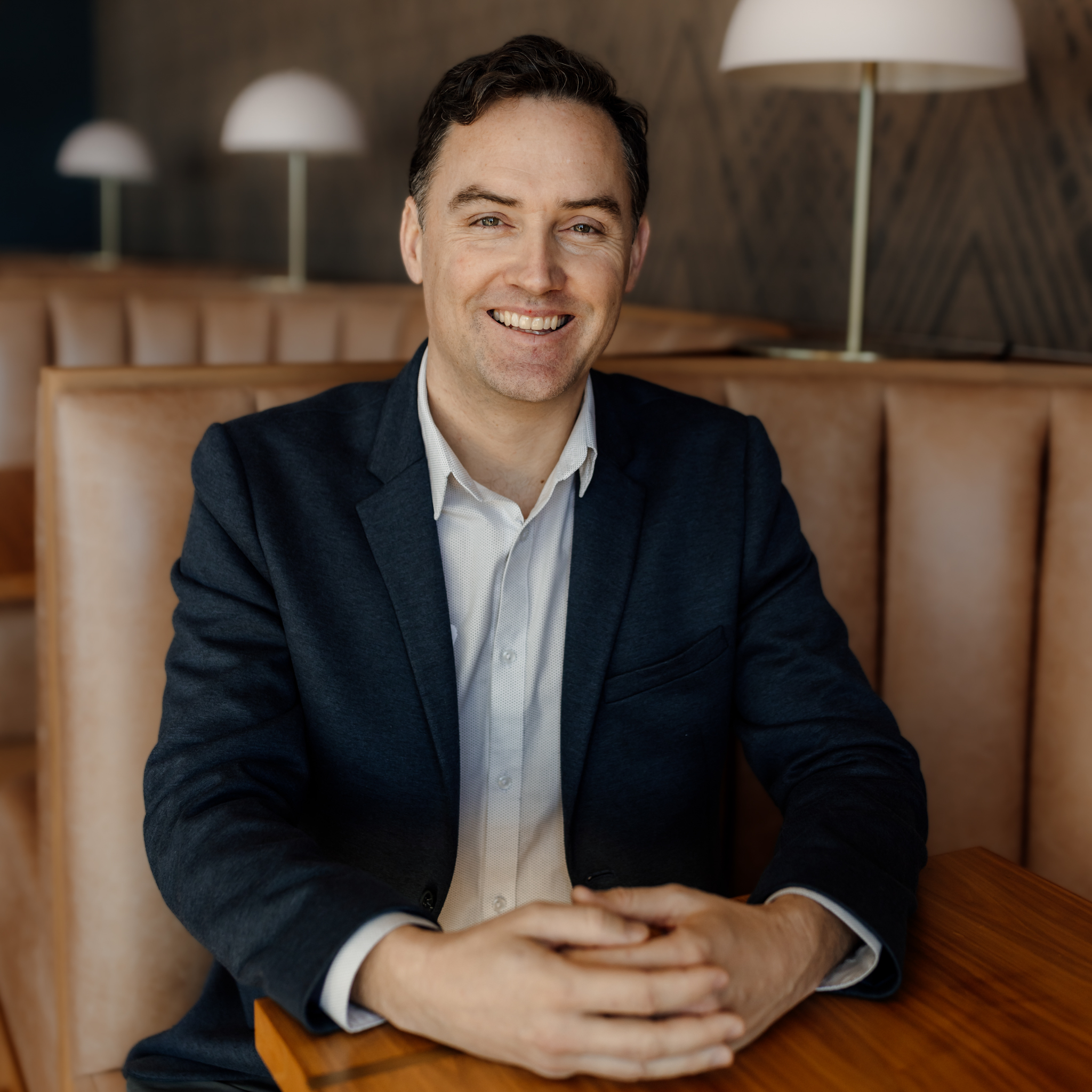
Meet the Judges

Industry leaders and researchers evaluating projects for innovation, technical depth, and real-world impact.

e184 Track

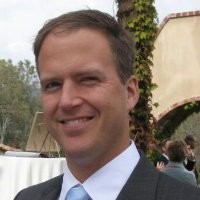
Headshot of Sofia Kozlova

Sofia Kozlova

Analyst at e184

Researcher and entrepreneur with expertise in neural interfaces and BCI signal processing. Sofia brings deep technical knowledge of neural encoding/decoding algorithms and experience translating academic research into commercial applications. Passionate about making neurotechnology accessible to diverse users.

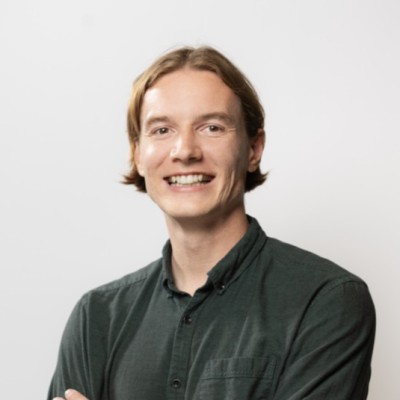
Headshot of Dan Blizinski

Dan Blizinski

Director of Open-Source Business Strategy, Openwater

Director of Open-Source Business Strategy at Openwater. Brings open-source platform expertise and medical device innovation experience. Previously at Canon Medical, he built cloud-native AI analytics platforms processing data from over 2 million patients across AWS and Azure. Leadership background in enterprise Linux strategy and platform engineering.

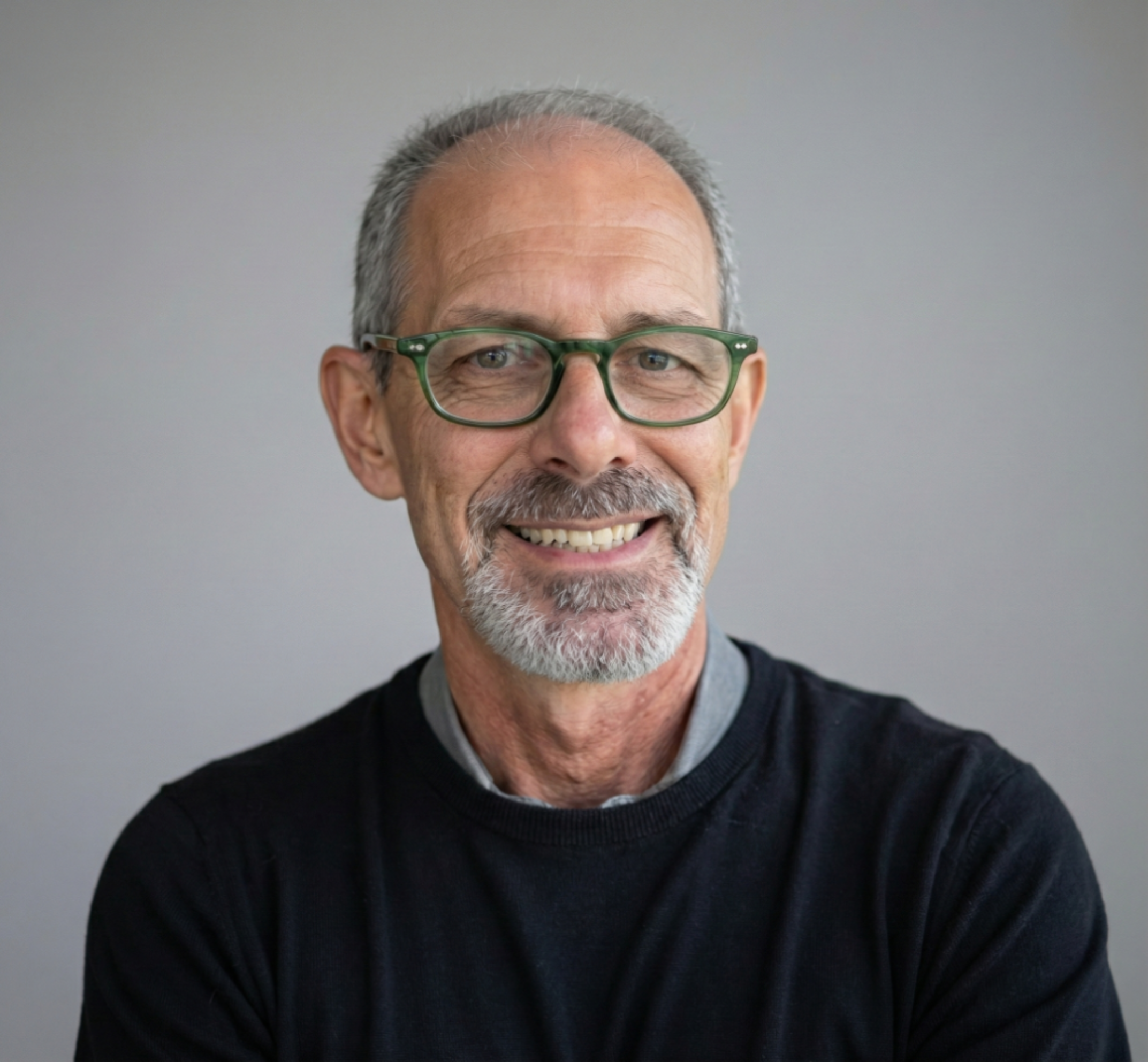
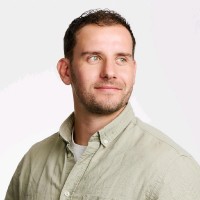
Headshot of David Paribello

David Paribello

Director of Product Management, Openwater

Director of Product Management at Openwater. Entrepreneurial leader commercializing innovative technologies since 2008, with focus on imaging and medical device platforms. Previously launched the world's first single-sided MRI for office-based targeted interventions and grew sales to over $115M in three years. B.S. in Engineering Physics from McMaster University, M.S. in Electrical and Computer Engineering from University of Western Ontario.

Headshot of David Moses

David Moses

Adjunct Professor, UCSF

Neurotechnology expert and innovator with deep expertise in neural signal processing and brain-computer interface design. Focused on bridging the gap between research and real-world applications in neurotechnology. Experienced in evaluating technical solutions and commercial potential of neurotech projects.

Headshot of Reuben Thomas

Reuben Thomas

Electrical engineer at Tacit

Technical expert in neurotechnology and neural engineering with experience across hardware, firmware, and signal processing. Known for evaluating technical feasibility, code quality, and scalability of neurotech solutions. Passionate about fostering innovation in the neurotech startup ecosystem.

Science Track

Headshot of Terence Rabuzzi

Terence Rabuzzi

Senior Technical Writer, Science

Senior Technical Writer at Science Corporation. Former engineer with deep technical expertise in neural interfaces and BCI systems. Specializes in making complex neural engineering concepts legible and evaluating the clarity and quality of technical presentations. Expertise in regulatory and technical documentation for implantable devices.

Headshot of Vishnu Therayil Sasikumar

Vishnu Therayil Sasikumar

Firmware Engineer, Science

Firmware Engineer at Science Corporation. Leads FPGA and firmware development for next-generation neural devices. Deep expertise in computer architecture, high-reliability embedded systems, and high-speed protocols (AXI, SPI, I²C, PCIe). Evaluates firmware quality, embedded systems design, and reliability of BCI solutions.

Headshot of Emma Zhou

Emma Zhou

Director of BCI Research, Science

Neuroscientist and BCI researcher with expertise in neural decoding and game-based brain-computer interfaces. Strong background in evaluating scientific rigor, methodology, and the quality of neural signal processing implementations. Focused on assessing both the technical performance and user experience of interactive BCI systems.

Headshot of Mo Eltaeb

Mo Eltaeb

Neuroengineer, Science

Neural engineering specialist with experience in practical BCI implementation and real-world testing. Expertise in evaluating the technical feasibility of neural interfaces, code quality, and the engineering challenges of building reliable brain-computer interfaces. Known for assessing project scope and execution quality.

BlueSky Track

Headshot of Gail Gannon

Gail Gannon

Director, Neurotech Collider Lab

Neurotech industry veteran with extensive experience in neurotechnology commercialization and product development. Deep understanding of market dynamics, regulatory pathways, and the journey from prototype to clinical product. Evaluates scalability, market viability, and realistic commercialization potential of neurotechnology solutions.

Headshot of Julia Scott

Julia Scott

Professor, Santa Clara University

Julia Scott is a professor at Santa Clara University specializing in neuroengineering and human-centered biomedical systems, where she mentors students in building brain-computer interfaces and wearable neural sensing technologies. Her research and teaching bridge signal processing, embedded systems, and ethical design to translate neuroscience into practical tools for health, accessibility, and next-gen human-machine interaction.

Headshot of Dan Adams

Dan Adams

Neuroscientist, Neuralink

Neuroscientist at Neuralink working on research and scientific foundations for human BCI programs. PhD-level expertise in neuroscience with deep knowledge of neural recording, signal analysis, and brain physiology. Evaluates scientific rigor, methodology, and appropriateness of validation approaches in BCI research.

Headshot of Matthew MacDougall

Matthew MacDougall

Neurosurgeon, Neuralink

Neurotech entrepreneur and researcher with expertise in neural systems and BCI architecture. Known for evaluating the scientific soundness and technical innovation of neurotechnology projects. Brings perspective from both academic research and industry application of neural interfaces.

Headshot of Abigail Holland

Abigail Holland

CEO of Go Go Gaia

Neurotechnology strategist with experience in evaluating commercial viability and market positioning of neurotech solutions. Expertise in identifying customer needs, market opportunities, and realistic paths to commercialization. Focused on assessing the business potential and scalability of neurotechnology innovations.

Headshot of Jake Wilkins

Jake Wilkins

Founding Designer, Orbit

Founding Designer at Orbit. Brings several years of experience at LivaNova leading design for software and hardware in neuromodulation. Deep expertise in UX/UI, product design, and the full spectrum of software and hardware design for medical and consumer neurotechnology. Evaluates presentation quality, user experience, and design excellence.

Headshot of Dipanshu Gandhi

Dipanshu Gandhi

CTO @ Orbit Neuro

CTO at Orbit Neuro. Specializes in electronics for sensing, embedded systems, rapid prototyping, and non-invasive brain imaging systems. Brings end-to-end hardware expertise from schematic design through firmware to system integration. Focused on evaluating technical feasibility, execution quality, and manufacturability of neurotech hardware solutions.

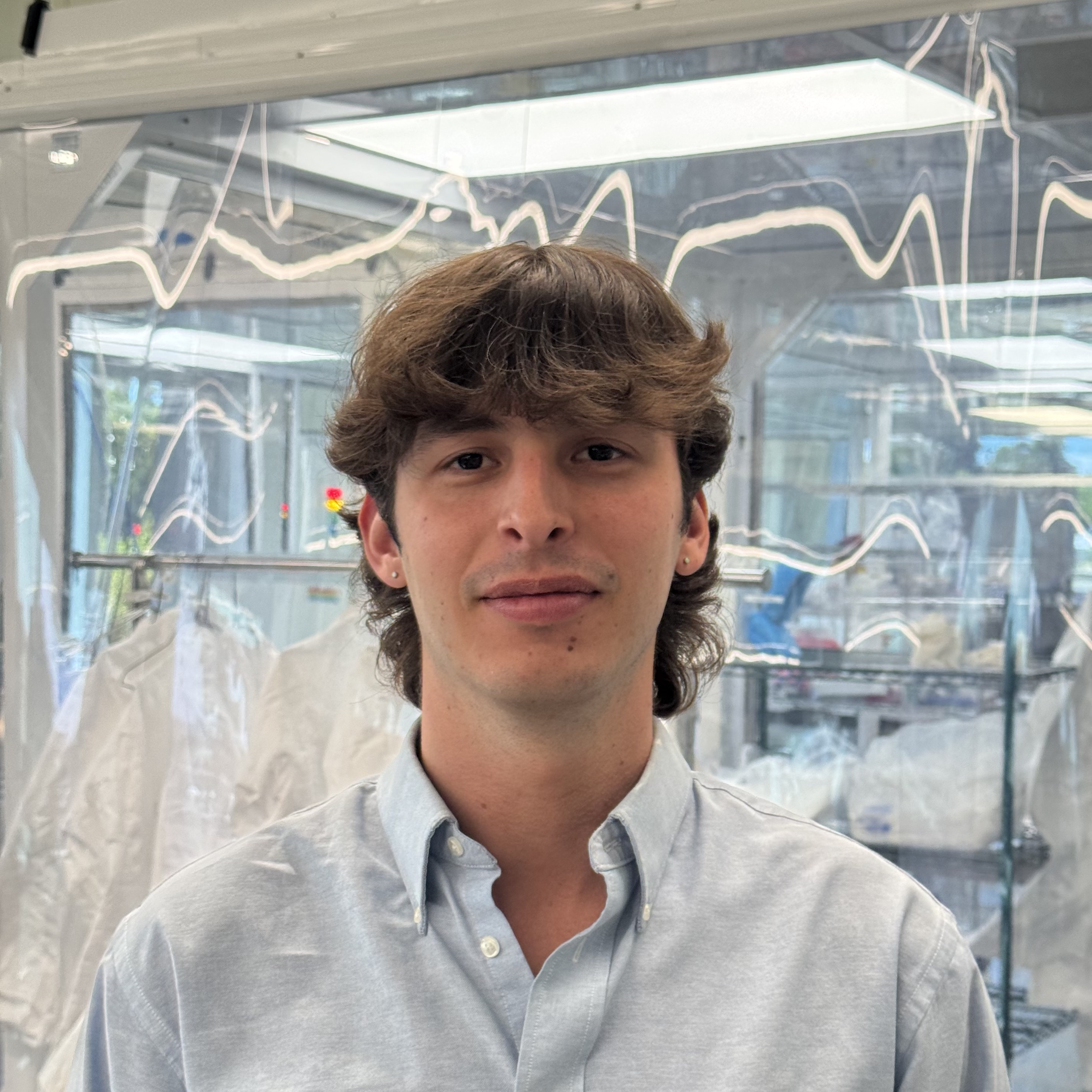
Meet the Mentors

Access expert mentorship from 24 industry leaders in neural engineering, BCIs, and neurotechnology. Hands-on guidance throughout the weekend.

Headshot of Max Rothman

Max Rothman

Electrical Engineer, Science

Designs low-power, high-bandwidth implantable electronics for neural interfaces. Published in New England Journal of Medicine.

Headshot of Phil Xie

Phil Xie

Electrical Engineer, Science Corporation

Hardware for cutting-edge neural interfaces. Founded Neurotech@Berkeley with 120+ undergrads building BCI devices.

Headshot of Calvin Leng

Calvin Leng

Software Engineer, Science

PhD in theoretical computer science. Mathematical rigor applied to reliable BCI systems and device software.

Headshot of Max Hasslberger

Max Hasslberger

Ultrasound Engineer, Merge Labs

Ultrasound physics, electrical engineering, and computational modeling for non-invasive brain-computer interfaces.

Headshot of Andrii Zahorodnii

Andrii Zahorodnii

ML & Neuro @ Merge Labs

Machine learning and neuroscience. Signal processing, neural decoding, and BCI data pipeline methods.

Headshot of Ankita Chatterjee

Ankita Chatterjee

Operations, Merge Labs

Strategy and finance for neurotechnology. Go-to-market and financial planning expertise.

Headshot of Pete Richards

Pete Richards

Founding EE, Orbit Neuro

Sensing hardware and electronics/physical world interface expertise. Sr. Staff Research Scientist at Fitbit/Google, Apple touch sensors.

Headshot of Luke Gordon

Luke Gordon

Neuroscientist/Study Director Neuralink

Oversees research studies at the frontier of human brain-computer interfaces. PhD in Neuroscience, neural recording and decoding expertise.

Headshot of Iakov Rachinskiy

Iakov Rachinskiy

Engineer, Precision Neuroscience

Microfabrication and neural engineering. Micro-scale devices for neural interfaces and electrode arrays.

Headshot of Ninon Lizé Masclef

Ninon Lizé Masclef

Research Affiliate, MIT Media Lab

Neural decoding, multimodal AI, and affective computing. Software systems integrating neural data with other modalities.

Headshot of Christian Larsen

Christian Larsen

Co-Founder, Netholabs

Machine learning and behavior. ML methods for understanding and modeling behavioral data in neurotechnology.

Headshot of Ivoine Strachan

Ivoine Strachan

Founder & Builder, Dberi

Self-taught builder who has built robots, full-body haptic VR suits, and STM32 dev boards. SF software engineering experience.

Headshot of Lindsey Jardine

Lindsey Jardine

VP at Adraxe

Clinical strategy, regulatory affairs, and commercialization. FDA regulatory strategy, clinical trials, and market positioning.

Headshot of Matthew Tarchick

Matthew Tarchick

Founder, KozAI

Neural simulation and prediction. Computational tools for modeling brain dynamics and forecasting neural system behavior.

Frequently Asked Questions

Everything you need to know about Global NeuroHack 2026.

A hackathon is an event where participants collaborate intensively to create software or hardware projects within a limited time frame. At NeuroHack, you'll have 48 hours to build innovative neurotechnology solutions.

No! NeuroHack welcomes participants of all skill levels. We provide mentorship and resources to help beginners get started. Curiosity and willingness to learn are the only requirements!

Teams will have 4-5 members. You can register with a pre-formed team or find teammates during our team formation session on Day 1. We also have a Discord channel for finding teammates before the event.

TBD

Global NeuroHack 2026 is an in-person event taking place at Frontier Tower in San Francisco, California. Join us for three days of hacking, networking, and innovation in the heart of the tech capital!

NeuroHack is completely FREE to attend! We believe in making neurotechnology accessible to everyone. All meals, snacks, and swag are provided for in-person attendees.

You do! All intellectual property created during the hackathon belongs entirely to you and your team. We encourage open-source projects but it's not required.

Projects are judged on Innovation (25%), Technical Complexity (25%), Impact (25%), and Presentation (25%). Judges include industry experts, researchers, and entrepreneurs in the neurotech space.